新闻中心
홈페이지 > 뉴스 센터 > Blog

뉴스 센터

How Artificial Intelligence Influences Sports Equipment Design
2026-08-25 03:28:38

How Artificial Intelligence Influences Sports Equipment Design


How Artificial Intelligence Influences Sports Equipment Design

Artificial intelligence is changing the way sports equipment is designed, tested, customized, and improved. In the past, sports gear development relied heavily on manual prototyping, lab testing, and athlete feedback collected after long product cycles. Today, AI in sports equipment design helps manufacturers analyze large sets of performance data, identify patterns, simulate product behavior, and optimize designs faster than traditional methods. This shift is transforming everything from running shoes and helmets to rackets, balls, protective gear, bicycles, and training devices.

For brands, engineers, sports scientists, and product teams, the use of artificial intelligence in sports equipment design creates a major competitive advantage. It supports data-driven innovation, improves precision, reduces waste, shortens development timelines, and enables more personalized equipment for athletes of different levels. For consumers and athletes, AI-powered sports equipment design can lead to better comfort, greater safety, improved performance, and a more customized fit.

This article provides a complete, SEO-friendly overview of how artificial intelligence influences sports equipment design, including definitions, benefits, applications, technical specifications, workflow stages, and future trends. The content is written in clear English and structured for direct use in blog pages, category pages, or industry landing pages.

What Is AI in Sports Equipment Design?

AI in sports equipment design refers to the use of machine learning, computer vision, predictive analytics, generative design, and simulation tools to support the creation and improvement of sports products. Instead of depending only on human intuition or physical testing, designers use artificial intelligence to process performance data, biomechanics data, material data, and user feedback at scale.

In simple terms, artificial intelligence helps sports equipment designers answer questions such as:

  • Which material structure performs best under specific sports conditions?
  • How does equipment respond to force, speed, pressure, heat, and movement?
  • What design changes improve comfort, safety, durability, or energy return?
  • How can products be customized for different athlete body types and performance goals?

The result is a more intelligent sports equipment design process that combines human expertise with data-driven decision-making. This makes AI especially useful in industries where precision, performance, and safety are critical.

Why Artificial Intelligence Matters in Sports Equipment Development

The sports equipment market is highly competitive and constantly evolving. Athletes want lighter, stronger, safer, and more responsive products. At the same time, manufacturers must reduce development costs, improve production efficiency, meet safety standards, and adapt to changing consumer expectations. Artificial intelligence supports these goals by making sports equipment design faster, smarter, and more measurable.

AI matters because traditional design workflows often depend on repeated prototype creation and physical testing. While those methods remain important, they can be expensive and time-consuming. AI-driven sports equipment design can reduce the number of physical iterations by predicting product behavior before manufacturing. It can also detect patterns that may be invisible to human analysts, especially when working with large datasets from athlete motion tracking, pressure mapping, and wear simulation.

Another important reason AI matters is personalization. Sports equipment is no longer designed only for a “standard” user. Modern sports products increasingly need to fit different ages, body shapes, skill levels, and performance demands. Artificial intelligence enables a more personalized approach to sports equipment development by using individual data to recommend or create tailored design options.

Core Ways AI Influences Sports Equipment Design

Artificial intelligence influences sports equipment design in several major ways. These methods are used across many categories, including footwear, helmets, bats, rackets, gloves, protective padding, training systems, and wearable sports gear.

1. Data-Driven Product Optimization

AI systems can analyze thousands or even millions of data points from field testing, lab testing, athlete motion capture, and consumer behavior. This allows designers to identify which product characteristics improve performance and which features may need adjustment. For example, AI can help optimize weight distribution, stiffness, impact resistance, airflow, grip, or cushioning.

2. Predictive Performance Modeling

Predictive analytics in sports equipment design helps forecast how a product will behave under different conditions. Engineers can simulate stress, vibration, fatigue, friction, impact, and deformation before manufacturing a physical sample. This reduces the time and cost of trial-and-error development.

3. Generative Design

Generative design uses AI algorithms to generate multiple design solutions based on a set of requirements. Designers define the goals, such as low weight, high strength, or improved aerodynamics, and the AI proposes shape and structure options. This is especially valuable for complex sports equipment parts and performance-driven components.

4. Athlete-Specific Customization

AI enables equipment customization based on body measurements, movement style, injury history, sport type, and performance preferences. Personalized sports equipment design can improve comfort, support, and efficiency. Custom sizing and fit are particularly important in footwear, helmets, braces, gloves, and protective gear.

5. Quality Control and Defect Detection

Machine vision and automated inspection systems can identify manufacturing defects, surface flaws, structural inconsistencies, and material irregularities. This improves product quality and supports consistent production standards in sports equipment manufacturing.

6. Material Selection and Simulation

AI can evaluate how different materials behave under various loads and environments. This helps engineers choose the best materials for durability, flexibility, weight reduction, shock absorption, or thermal regulation. In sports equipment design, material selection directly affects both performance and safety.

Table: Main AI Applications in Sports Equipment Design

AI ApplicationPurpose in Sports Equipment DesignCommon BenefitsTypical Equipment Types
Machine Learning AnalysisFinds patterns in athlete and product dataBetter performance insights, more accurate product decisionsFootwear, rackets, training devices
Computer VisionDetects movement, defects, and shape detailsImproved quality control, motion analysisHelmets, gloves, balls, protective gear
Generative DesignCreates multiple design options based on goalsFaster innovation, lighter and stronger structuresFrames, components, supports, equipment shells
Predictive SimulationForecasts stress, impact, and wear behaviorReduced prototype costs, improved safetyHelmets, pads, shoes, bats, rackets
Personalization AlgorithmsAdapts equipment to user dataBetter fit, comfort, and performanceCustom footwear, braces, gloves, protective items
Automated InspectionChecks for defects during productionHigher consistency, lower failure ratesAll mass-produced sports equipment

Benefits of AI in Sports Equipment Design

The benefits of artificial intelligence in sports equipment design extend across product development, athlete experience, manufacturing, and business operations. These advantages explain why AI adoption is growing across the sports equipment industry.

Improved Performance

AI helps designers refine products based on measurable performance outcomes. This can lead to equipment that delivers better energy transfer, improved control, greater speed, enhanced stability, or more efficient movement. Performance gains are especially important in competitive sports where small design changes can make a significant difference.

Enhanced Safety

Safety is one of the most important goals in sports equipment design. Artificial intelligence can support the creation of better impact-absorbing materials, structural reinforcements, and safer fit systems. It also helps predict failure points and identify areas where equipment may not adequately protect the athlete.

Faster Development Cycles

Traditional sports equipment development may require many physical prototypes. AI reduces the number of design cycles needed by enabling accurate simulation and data-driven optimization. This helps companies bring products to market faster while maintaining quality.

Lower Development Costs

By reducing prototyping, testing errors, and material waste, AI can help lower overall product development costs. It also supports more efficient use of engineering resources and laboratory testing time.

Greater Personalization

Sports equipment must suit individual users. AI enables custom product recommendations and design adjustments based on athlete data. This creates more comfortable and effective equipment for users of different ages, skill levels, and body types.

Smarter Material Use

AI assists engineers in selecting materials that match specific performance requirements. This can reduce excess material usage while still meeting strength, flexibility, or durability targets. In some cases, this also supports sustainability by limiting waste.

Better Product Consistency

In manufacturing, AI-based quality control helps ensure that each unit meets required specifications. Consistent production quality is essential in sports equipment, where small defects can affect performance and safety.

Table: Key Advantages of AI-Driven Sports Equipment Design

AdvantageDescriptionBusiness ValueAthlete Value
Performance OptimizationDesigns are improved based on data and simulationStronger product positioningBetter results in training and competition
Safety EnhancementAI identifies risks and failure patternsReduced liability and better complianceImproved protection and confidence
Rapid IterationMore design concepts can be tested virtuallyShorter time to marketFaster access to improved products
Cost ReductionLess reliance on physical prototypes and wasted materialsMore efficient R&D spendingPotentially lower product costs
CustomizationProducts adapt to user-specific dataBroader market appealBetter fit and comfort
Quality ControlAutomated systems detect defects earlyHigher production reliabilityMore dependable equipment

Examples of AI Influence Across Sports Equipment Categories

Artificial intelligence impacts almost every major category of sports equipment. While the design goals vary by product type, the role of AI remains consistent: improve performance, reduce risk, and create more efficient design workflows.

Sports Footwear

AI in sports footwear design is used to analyze foot shape, gait, pressure distribution, energy return, cushioning, and outsole wear. It helps create shoes that are more responsive, comfortable, and suitable for specific running styles or sports movements. Footwear design also benefits from predictive testing of sole flexibility, traction patterns, and material fatigue.

Helmets and Protective Gear

In helmets and protective equipment, AI supports impact analysis, energy dispersion modeling, shell optimization, and padding design. The goal is to improve protection while maintaining comfort and lightweight construction. AI can also help identify pressure points and ventilation requirements.

Rackets, Bats, and Striking Equipment

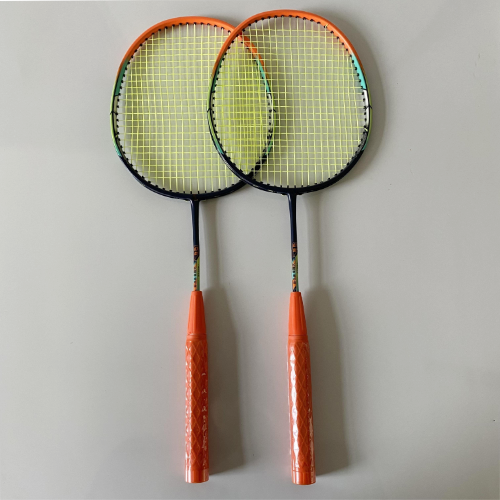
For rackets, bats, clubs, and similar equipment, AI can optimize balance, swing dynamics, vibration reduction, and material placement. This helps improve control, durability, and user experience. It can also support design variations for different skill levels.

Balls and Aerodynamic Equipment

AI can help analyze aerodynamics, surface texture, trajectory stability, and bounce behavior in balls and other flight-based sports products. These insights support more precise product engineering for consistent performance.

Wearables and Smart Training Devices

AI is often used in smart sports devices that monitor movement, performance, or body metrics. These devices can influence equipment design by providing valuable user data, which in turn informs future product development.

Gloves, Braces, and Fit-Based Equipment

Products that depend on close contact with the body benefit greatly from AI-powered fitting analysis. This includes gloves, braces, supports, padding, and compression gear. AI can help improve comfort, stability, mobility, and injury protection.

Table: AI Use by Sports Equipment Category

Equipment CategoryPrimary AI FocusDesign ObjectiveCommon Data Inputs
FootwearFit, gait, cushioning, tractionComfort and energy efficiencyFoot scans, pressure maps, motion data
HelmetsImpact protection and shell structureSafety and weight reductionImpact tests, head shape data, material data
Rackets/BatsBalance, vibration, and swing performanceControl and powerSwing analysis, force data, material properties
BallsAerodynamics and surface behaviorConsistency and trajectory controlFlight data, spin rates, surface texture data
Protective GearShock absorption and fitInjury reduction and comfortBody scans, stress data, wear data
Smart DevicesMonitoring and feedbackTraining support and product improvementSensor data, usage patterns, performance metrics

AI Design Workflow in Sports Equipment Development

A typical AI-powered sports equipment design workflow follows several stages. Each stage uses data to improve decision-making and product development.

  1. Data Collection: Gather athlete data, product performance data, material data, and manufacturing data.
  2. Data Cleaning and Preparation: Organize, standardize, and format the data so it can be used effectively by AI models.
  3. Model Training: Use machine learning or simulation models to identify relationships between design variables and performance outcomes.
  4. Concept Generation: Generate design concepts using AI-supported ideation and generative design tools.
  5. Virtual Testing: Simulate mechanical stress, impact, movement, or environmental conditions.
  6. Prototype Validation: Build and test the most promising physical prototypes.
  7. Refinement: Use test results to improve the design and update the AI model if needed.
  8. Production Monitoring: Apply AI for quality control and manufacturing consistency.

This workflow allows sports equipment design teams to move more efficiently from idea to final product. It also improves the alignment between engineering decisions and real-world athlete needs.

Table: Typical AI-Driven Sports Equipment Design Workflow Specifications

StageMain InputAI OutputDesign Result
Data CollectionMotion, pressure, material, and testing dataStructured datasetFoundation for model development
Model TrainingHistorical performance dataPredictive modelPerformance forecasting
Concept GenerationDesign requirements and constraintsMultiple design optionsFaster product ideation
Virtual TestingCAD models and load conditionsSimulation resultsReduced physical trial cost
Prototype ValidationPhysical sample and user testingPerformance feedbackFinal design refinement
Production MonitoringManufacturing line dataDefect detection signalsConsistent product quality

Technical Specifications Commonly Used in AI Sports Equipment Design

Sports equipment design teams often track specific technical specifications to evaluate product performance. Artificial intelligence helps interpret these variables and determine how they affect the final product.

SpecificationMeaningWhy It MattersAI Contribution
WeightTotal mass of the equipmentAffects speed, comfort, and fatigueOptimizes weight distribution and material usage
StiffnessResistance to bending or deformationInfluences control and energy transferFinds ideal structural balance
Impact ResistanceAbility to absorb or resist forceCritical for safety productsPredicts weak points and improves protection
FlexibilityAbility to bend without breakingImpacts comfort and motion responseAdjusts structure for sport-specific needs
TractionGrip against surface contactImportant for stability and movementAnalyzes surface and pattern performance
DurabilityResistance to wear over timeExtends product lifePredicts fatigue and lifespan
AerodynamicsInteraction with moving airCrucial for speed and flight productsSimulates airflow and drag reduction
Fit AccuracyHow well the product matches the userAffects comfort and functionUses body scans and user profiles

Challenges in Using AI for Sports Equipment Design

Although AI provides major benefits, there are also challenges in adopting artificial intelligence for sports equipment design. These challenges should be understood by manufacturers, designers, and product teams.

  • Data Quality: AI models depend on accurate, clean, and representative data.
  • Integration Complexity: AI tools must work with CAD software, testing systems, and manufacturing workflows.
  • Model Transparency: Some AI results can be difficult to interpret without technical expertise.
  • Testing Requirements: Virtual simulations still need physical validation.
  • Customization Limits: Not every product can be fully personalized at scale.
  • Cost of Adoption: Initial investment in software, sensors, and training may be significant.

Even with these challenges, the long-term value of AI in sports equipment design is strong. Companies that combine data science, engineering, and athlete insight can develop products with more precision and efficiency than ever before.

Future Trends in Artificial Intelligence and Sports Equipment Design

The future of AI in sports equipment design is likely to focus on deeper personalization, more realistic simulation, improved sustainability, and stronger integration between digital and physical product development. Several major trends are already emerging.

Hyper-Personalized Equipment

Future sports equipment may be designed using highly detailed body scans, movement profiles, and biomechanical data. This will support truly individualized products for athletes who need specific fit and performance characteristics.

Smarter Digital Twins

Digital twin technology will allow engineers to create virtual replicas of sports equipment and test them in different scenarios. AI will make these models more accurate and adaptive over time.

AI and Sustainable Design

Sustainability is becoming increasingly important in sports equipment manufacturing. AI can help reduce waste, optimize material use, and improve lifecycle planning. This may lead to more environmentally responsible product development.

Real-Time Product Feedback

Equipment with built-in sensors may provide real-time usage feedback that informs future design updates. This continuous loop between product use and product innovation will strengthen AI-driven sports equipment design.

Advanced Generative Structures

Generative design algorithms will likely become more advanced, producing equipment shapes and internal structures that human designers may not have considered. These innovations may improve strength-to-weight ratios and overall performance.

Table: Future Trends in AI Sports Equipment Design

TrendDescriptionExpected Impact
Hyper-PersonalizationDesigning products for individual athlete profilesBetter fit, comfort, and performance
Digital TwinsCreating accurate virtual equipment modelsMore precise testing and simulation
Sustainable OptimizationReducing waste and improving material efficiencyLower environmental impact
Real-Time AnalyticsUsing product usage data to guide future designContinuous improvement cycles
Generative EngineeringAI creates new structural concepts automaticallyNew performance and innovation opportunities

SEO Keywords Related to Artificial Intelligence in Sports Equipment Design

For search engine optimization, it is useful to include a strong mix of relevant keywords. Below are common search phrases related to artificial intelligence, sports equipment design, and performance innovation:

  • artificial intelligence in sports equipment design
  • AI sports equipment design
  • sports equipment design technology
  • machine learning in sports product development
  • predictive analytics for sports equipment
  • generative design in sports equipment
  • AI-driven sports equipment innovation
  • smart sports equipment design
  • custom sports equipment using AI
  • AI for performance sports gear
  • sports equipment product optimization
  • AI-based sports product development
  • sports gear design automation
  • personalized sports equipment design
  • data-driven sports equipment engineering

Conclusion

Artificial intelligence is reshaping sports equipment design by making the development process more accurate, more efficient, and more personalized. From predictive simulation and generative design to automated quality control and athlete-specific customization, AI provides powerful tools for improving performance, safety, and innovation. As the sports industry continues to evolve, artificial intelligence will remain a key driver of modern sports equipment development.

For businesses, engineers, and content creators, the topic of how artificial intelligence influences sports equipment design offers strong SEO potential and long-term relevance. It connects technology, athletics, product engineering, and consumer demand in one high-interest subject. With the right structure, keyword placement, and original content, this topic can perform well in blog articles, category pages, and industry-focused website sections.

이 웹사이트는 귀하가 당사 웹사이트에서 최상의 경험을 할 수 있도록 쿠키를 사용합니다.

수용하다 거부하다