

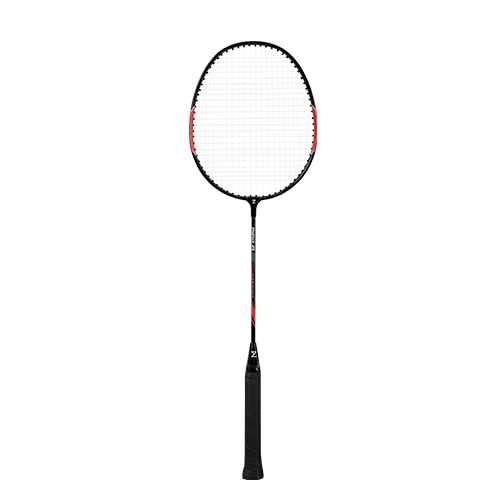
Online sales have transformed the way racket products are designed, tested, positioned, and improved. In the past, racket development relied heavily on distributor feedback, in-store merchandising, and limited local market demand. Today, eCommerce data, search behavior, customer reviews, and direct-to-consumer sales channels give brands faster, broader, and more detailed insight into what players want. This shift affects every stage of racket product development, from concept planning and material selection to pricing, product line expansion, and post-launch optimization.
Whether the product category includes tennis rackets, badminton rackets, squash rackets, padel rackets, or pickleball paddles and related striking equipment, online sales are now a major driver of innovation. Manufacturers and brands can analyze customer trends in real time, identify gaps in the market, and refine product specifications based on actual buying behavior. For SEO and content publishing purposes, this topic is highly relevant because it connects product development, eCommerce strategy, sports equipment trends, and consumer demand in a search-friendly format.
Racket product development is the process of creating, testing, refining, and launching sports rackets and related striking products for specific player needs. It includes engineering the frame, balance, weight, string pattern, grip design, shaft stiffness, surface texture, and aerodynamic profile. The goal is to deliver performance, comfort, durability, and market appeal.
In traditional product development, manufacturers often relied on coach recommendations, athlete testing, distributor input, and retail sell-through data. In the modern digital marketplace, online sales add a new layer of intelligence. Brands can now observe how shoppers compare products, what questions they ask, which specifications they prioritize, and what drives repeat purchases. This information shortens the development cycle and improves product-market fit.
Online sales matter because they provide direct access to customer behavior at scale. Every click, search query, cart abandonment, review, and product return tells a story. For racket brands, these data points can reveal whether a product is too heavy, too flexible, too advanced, too expensive, or not clearly differentiated.
ECommerce channels also reduce the distance between product creators and end users. Instead of waiting for quarterly distributor reports, teams can monitor live customer feedback and use it to adjust future models. This makes online sales not just a revenue channel, but a product development engine.
| Online Sales Insight | What It Reveals | Product Development Impact |
|---|---|---|
| Search keywords | What features customers want | Guides new model specs and naming |
| Product page views | Which rackets attract attention | Improves positioning and content strategy |
| Conversion rate | Which product offers best market fit | Influences pricing and feature prioritization |
| Customer reviews | Real user experience and pain points | Supports design revisions and quality control |
| Return reasons | Problems with fit, feel, or expectation | Improves product descriptions and product design |
Online sales change design decisions by making product feedback more measurable and more immediate. When a racket is sold through digital channels, brands can collect structured data from product pages, customer ratings, and after-sale surveys. This data helps determine which design elements deserve emphasis in the next iteration.
Weight is one of the most searched racket specifications online. Some players prefer lightweight rackets for speed and maneuverability, while others want heavier models for stability and power. Online sales data can show whether users are more interested in head-light, even-balance, or head-heavy formats. Development teams can then align new models with actual buyer intent.
Modern rackets use a wide range of materials, including graphite, carbon fiber, aluminum alloys, composite blends, and advanced polymers. Online shoppers often compare material claims before purchase. If search traffic consistently favors terms like “carbon fiber racket” or “graphite frame,” brands may prioritize those materials in product planning and content optimization.
Grip comfort is frequently discussed in reviews and return feedback. Online sales channels surface information about grip size, sweat absorption, handle shape, and vibration dampening. These insights help product teams refine ergonomic features and choose better grip materials.
eCommerce pages must clearly communicate whether a racket is intended for beginner, intermediate, or advanced users. Online sales pressure brands to be more specific in their performance claims. As a result, product development becomes more segmented, with more targeted models for control, power, speed, forgiveness, or all-around play.
Data-driven product development means using online market signals to guide design decisions instead of relying only on internal assumptions. In the racket industry, this approach improves forecasting, reduces launch risk, and helps brands create products that match customer expectations.
Important data sources include website analytics, keyword research, social media comments, marketplace rankings, review sentiment, abandoned cart data, and repeat purchase behavior. Together, these signals help development teams answer critical questions:
When this information is fed into the development process, brands can build rackets that are more likely to succeed in the marketplace.
The product lifecycle in the racket industry has become faster and more iterative due to online sales. Instead of waiting for a full season or a yearly trade cycle, product teams can release updates, limited editions, or specification adjustments in response to live market feedback.
| Product Lifecycle Stage | Traditional Approach | Online Sales Approach |
|---|---|---|
| Concept planning | Based on internal expertise and dealer requests | Based on keyword demand and digital market gaps |
| Prototype testing | Limited athlete and distributor feedback | Expanded beta testing and digital survey input |
| Launch strategy | Retail-first or showroom-first | Content-led launch with SEO, video, and social proof |
| Post-launch review | Sales reports from physical channels | Live analytics, reviews, and conversion tracking |
| Product revision | Slower annual updates | Faster specification refinement |
Online sales create several competitive advantages for racket brands and manufacturers. These benefits extend beyond revenue and directly influence product development quality.
Digital channels expose products to a larger audience than local retail alone. This broader visibility helps brands understand different buyer groups, including beginners, club players, competitive athletes, and recreational users.
Customer reviews and returns provide immediate input. This shorter feedback loop allows faster improvement of frame design, grip comfort, string compatibility, and product description accuracy.
Online sales reveal distinct audience segments. Brands can develop rackets for specific playing styles, age groups, skill levels, and sport formats.
Because online shoppers depend on product pages, the way a racket is described becomes part of the product experience. This encourages clearer specifications, better visuals, comparison charts, and stronger feature communication.
Market testing through digital channels can reduce the risk of launching a new racket model. Small-batch releases, preorder campaigns, and A/B testing help validate demand before large-scale production.
Online shoppers typically compare racket products using specific technical criteria. These criteria shape development priorities and influence how brands position their products in search results and sales pages.
| Specification | Why It Matters Online | Development Consideration |
|---|---|---|
| Weight | Easy to compare across models | Affects swing speed and stability |
| Balance point | Important for play style selection | Influences power, control, and handling |
| Head size / face area | Common search filter | Determines sweet spot and forgiveness |
| Frame stiffness | Linked to feel and power transfer | Impacts responsiveness and comfort |
| Grip size | Critical for fit and comfort | Affects control and injury prevention |
| Material composition | Strong purchase driver | Determines strength, durability, and cost |
| String pattern / surface design | Related to spin and feel | Supports performance tuning |
| Price range | Major conversion factor | Guides feature-cost balance |
One of the most important changes brought by online sales is the connection between SEO content and product planning. In a digital environment, the product must not only perform well physically; it must also be easy to find, easy to understand, and easy to compare.
Search engine optimization influences the language of product development. If users search for “lightweight badminton racket for beginners” or “power tennis racket with large sweet spot,” brands are pushed to build, name, and describe products in ways that match that intent. This has a direct effect on product segmentation and specification choices.
Product development teams increasingly collaborate with content teams to ensure that naming conventions, technical features, and category structures support discoverability. This means that SEO is no longer only a marketing task. It is also a product development tool.
Online reviews are one of the most valuable sources of product insight in the racket industry. They reveal how players actually experience a racket after purchase, often highlighting strengths and weaknesses that internal testing may miss.
Reviews often mention:
This user-generated content creates a continuous feedback loop. A product with repeated complaints about stiffness, grip discomfort, or inconsistent string tension may need a design adjustment. A product with consistent praise for speed and feel may become the foundation for a future line extension.
Pricing strategy is another area where online sales influence product development. Digital channels provide real-time visibility into competitor pricing, discount behavior, bundle offers, and consumer sensitivity to price changes.
For racket products, pricing often reflects the relationship between materials, performance level, brand positioning, and audience expectations. Through online sales analysis, brands can determine whether a higher-priced model needs additional performance features or whether a mid-range model should emphasize durability and value.
| Pricing Tier | Typical Buyer Expectation | Development Focus |
|---|---|---|
| Entry-level | Affordable, easy to use | Comfort, forgiveness, simple specs |
| Mid-range | Balanced performance and value | Material quality, durability, versatility |
| Premium | Advanced performance and precision | Innovation, lighter construction, refined feel |
| Special edition | Unique design or limited availability | Brand storytelling, exclusivity, visual appeal |
When a racket product sells well online, brands often expand the line by creating related versions for different audiences. Digital demand data helps identify where that expansion makes the most sense.
Examples of product line expansion include:
This approach reduces development risk because the new product is based on proven demand patterns. It also supports stronger internal platform design, where multiple products share core materials or engineering features.
Product teams can use several digital signals to identify opportunities for new racket models. These signals are particularly useful in competitive sports categories where performance expectations evolve quickly.
These signals are useful because they help brands move from reactive development to proactive innovation.
The workflow below shows how online sales can influence each phase of racket development.
| Phase | Activity | Online Sales Influence |
|---|---|---|
| Research | Study customer demand and keyword trends | Identifies category opportunities |
| Concept | Define target user and performance goals | Aligns concept with market intent |
| Design | Select materials, dimensions, and features | Uses online feedback to prioritize specs |
| Prototype | Create sample rackets for testing | Digital surveys can support validation |
| Launch | Publish product page and sales content | SEO and conversion copy become critical |
| Optimization | Improve product and content after launch | Uses analytics, reviews, and return data |
Because online sales strongly affect product development, product pages must communicate value with precision. A well-optimized product page is not just a sales asset; it is also a development reference point for future iterations.
Strong product pages usually include:
Well-structured content improves both search visibility and user confidence. It also reduces confusion, returns, and incorrect purchases.
While online sales offer many advantages, they also create challenges for racket product development.
Customers expect detailed specifications and honest descriptions. If online content is unclear, product trust can drop quickly.
Shoppers can compare many racket models in seconds. This means products must stand out through meaningful features, not vague marketing claims.
A small number of negative reviews can affect conversion. This pushes brands to maintain quality control and accurate product messaging.
Online trends can change quickly. Development teams must balance short-term demand spikes with long-term product strategy.
The relationship between online sales and racket product development will continue to deepen. Several trends are likely to shape the future:
As digital commerce grows, brands that combine product engineering with online market intelligence will have a stronger ability to create rackets that are both technically effective and commercially successful.
Online sales have fundamentally changed racket product development. Instead of relying only on traditional retail feedback, brands now use digital data, keyword trends, customer reviews, and conversion metrics to guide every stage of development. This shift leads to better product targeting, more informed feature selection, faster revision cycles, and stronger market alignment.
For sports equipment brands, manufacturers, and eCommerce content teams, the connection between online sales and racket product development is now essential. It influences product design, pricing, positioning, SEO strategy, and long-term category growth. In a competitive online marketplace, the best-performing racket products are not only well made—they are also developed with deep awareness of how digital buyers search, compare, and purchase.
The biggest impact is faster, data-driven decision-making. Brands can use online customer behavior to design rackets that match real demand.
Reviews provide real user feedback on comfort, balance, durability, and performance, helping brands improve future models.
SEO reveals what customers search for, which helps brands create products and descriptions that match buyer intent.
Weight, balance, material, grip size, stiffness, head size, and price are among the most important specifications for online shoppers.
Yes. Online data can validate demand before large-scale production, reducing the risk of launching products that do not meet market expectations.
이 웹사이트는 귀하가 당사 웹사이트에서 최상의 경험을 할 수 있도록 쿠키를 사용합니다.


 English
 Español
 Pусский
 Français
 日本語
日本語 العربية
 हिन्दी
 Tiếng Việt
 中文
中文



 핸드폰
핸드폰
논평
(0)