

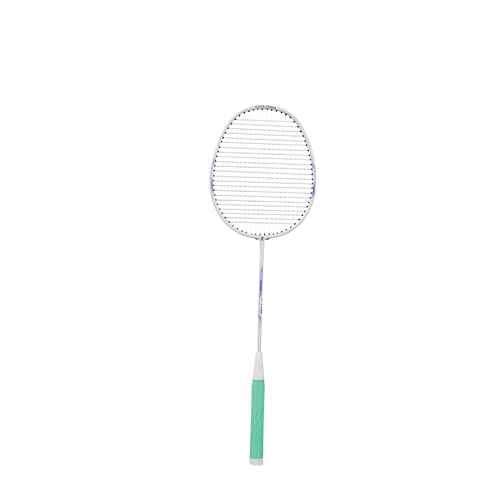
OEM table tennis racket solutions help sports brands develop, customize, and scale high-quality
ping pong products under their own label. For brands entering the table tennis market or expanding
an existing sports equipment line, OEM manufacturing provides a flexible path to create rackets that
match target performance levels, brand identity, and price positioning. From beginner recreational
paddles to professional-grade table tennis rackets, OEM production supports customization in blade
structure, rubber type, sponge thickness, handle shape, surface finish, packaging, and branding.
This guide covers the core definition of OEM table tennis racket solutions, key advantages for sports
brands, common specifications, production considerations, quality control checkpoints, and market-facing
product positioning ideas. The content is designed for SEO-friendly use on blog pages, category pages,
directory pages, and industry landing pages. It focuses on general industry knowledge only, with no
specific company recommendations.
An OEM table tennis racket solution refers to a manufacturing model where a factory produces table tennis
rackets according to a brand’s specifications. The brand may define the design direction, material choices,
performance target, logo placement, packaging style, and product tier, while the factory handles production,
assembly, and quality control. In many cases, OEM also allows brands to request custom molds, custom printing,
exclusive colors, and differentiated packaging to build a unique market identity.
For sports brands, OEM table tennis racket solutions are valuable because they reduce the time and complexity
of developing products from scratch. Instead of building an in-house production line, brands can rely on an
experienced manufacturing process and focus on product strategy, distribution, marketing, and customer demand.
This is especially useful in competitive categories like ping pong paddles, where buyers look for a balance
between control, speed, spin, durability, comfort, and price.
Sports brands use OEM table tennis racket manufacturing for several strategic reasons. First, OEM enables
faster product launch. Second, it helps brands maintain consistency across product lines. Third, it allows
strong customization without investing heavily in machinery or labor. Fourth, OEM supports broader market
segmentation, making it possible to offer entry-level, intermediate, advanced, and professional rackets under
one brand umbrella.
Another major benefit is brand differentiation. In a crowded sports equipment market, table tennis racket
design can be tailored to stand out through handle style, rubber color, blade composition, and packaging.
A brand can position its products around performance, youth training, indoor sports, club play, school use,
or competition-ready specifications. OEM also makes it easier to test multiple product variants and refine
them based on retailer feedback, customer reviews, and market trends.
| Advantage | Description | Brand Value |
|---|---|---|
| Customization | Brands can define the blade, rubber, handle, sponge, logo, and packaging. | Creates a unique product identity and better market positioning. |
| Scalability | OEM production can support small trial runs or larger mass production. | Helps brands grow gradually without overcommitting inventory. |
| Cost Efficiency | Manufacturing resources are shared through established production systems. | Improves margin control and price competitiveness. |
| Faster Time to Market | Existing manufacturing expertise shortens development cycles. | Allows brands to launch seasonal or promotional products quickly. |
| Brand Consistency | Product standards can be repeated across different batches and SKUs. | Strengthens trust and recognition in the market. |
| Performance Targeting | Specifications can be tuned for speed, spin, control, or balance. | Makes it easier to serve different player levels and use cases. |
A table tennis racket is typically made of several coordinated components. Each element affects playing feel,
durability, and performance. When developing an OEM table tennis racket solution, brands should consider how
each component contributes to the final product experience.
| Component | Function | Common Custom Options |
|---|---|---|
| Blade | Forms the core structure of the racket and influences speed and control. | Wood layers, composite layers, thickness, weight, stiffness. |
| Rubber | Contacts the ball and affects spin, grip, and shot quality. | Surface texture, tackiness, color, thickness, hardness. |
| Sponge | Provides rebound and energy transfer under the rubber. | Density, thickness, hardness, elasticity. |
| Handle | Improves grip, comfort, and control during play. | Flared, straight, anatomical, concave, ergonomic shape. |
| Edge Tape | Protects the blade edge and adds visual finishing. | Brand color, printed logo, width, adhesive strength. |
| Packaging | Supports retail display, storage, and brand presentation. | Color box, blister pack, sleeve, hang tag, instruction card. |
OEM solutions can cover a wide range of table tennis racket types. Brands often build product lines based on
user skill level, playing style, and retail channel. The following table shows common product categories used
in the industry.
| Product Type | Target User | Typical Performance Focus |
|---|---|---|
| Recreational Racket | Beginners, casual players, family users | Easy control, comfort, stable response, affordable price |
| Training Racket | School teams, clubs, practice players | Balanced speed and control, durable construction, repeatable feel |
| Intermediate Racket | Improving players, hobby athletes | Better spin generation, improved rebound, stable grip |
| Professional Racket | Advanced players, tournament users | High speed, precise spin, optimized blade response, premium materials |
| Custom Branded Racket Set | Promotions, gift sets, retail bundles | Visual appeal, branding, package presentation, multi-item value |
One of the biggest strengths of OEM table tennis racket solutions is customization. Sports brands can define
many details to create a distinct product line. This flexibility is especially important for companies looking
to launch branded table tennis equipment in retail, e-commerce, club supply, or promotional markets.
| Customization Area | Available Choices | SEO-Relevant Brand Benefit |
|---|---|---|
| Blade Material | All-wood, multi-layer wood, carbon composite, hybrid construction | Supports product differentiation by performance level |
| Rubber Type | Tacky, grippy, smooth, ITTF-style, training rubber | Helps target control, spin, or speed segments |
| Sponge Thickness | Thin, medium, thick, extra thick | Adjusts rebound and playing feel for different players |
| Handle Design | Flared, straight, ergonomic, custom carved | Improves comfort and brand-specific recognition |
| Logo Printing | Silkscreen, laser mark, heat transfer, embossed mark | Increases brand visibility and product identity |
| Color Scheme | Natural wood, black, red, blue, custom Pantone colors | Supports shelf appeal and marketing consistency |
| Packaging Design | Retail box, gift box, eco box, blister pack | Improves presentation and conversion at point of sale |
Below is a reference specification table commonly used when discussing OEM table tennis racket development.
Actual values vary depending on market positioning, player level, and brand objectives. These specifications
help buyers and product teams align on product expectations before sampling and production.
| Specification Item | Common Range / Option | Purpose |
|---|---|---|
| Blade Layers | 5-ply, 7-ply, composite multi-layer | Influences stiffness, speed, and control |
| Blade Thickness | Approx. 5.0 mm to 7.0 mm | Affects response and stability |
| Blade Weight | Approx. 70 g to 95 g | Changes balance and swing feel |
| Handle Shape | Flared, straight, anatomical, penhold style | Improves grip comfort and playing preference |
| Rubber Surface | Tacky, elastic, smooth, high-grip | Supports spin and contact quality |
| Sponge Thickness | 1.5 mm, 1.8 mm, 2.0 mm, max thickness options | Determines power and rebound feel |
| Color Options | Red, black, custom brand colors | Supports compliance and visual identity |
| Packaging Format | Single pack, twin pack, gift set, display box | Supports retail strategy and logistics |
In OEM table tennis racket production, quality is not determined by one material alone. It results from the
interaction of blade structure, rubber composition, bonding process, weight balance, and assembly accuracy.
Sports brands should understand the main performance factors so they can specify products more effectively.
Brands that define these performance targets early can create a more effective OEM table tennis racket solution.
Clear performance positioning also helps with product page SEO, category descriptions, and advertising copy.
Quality control is a critical part of any OEM table tennis racket solution. A consistent product line depends on
standardized inspection across raw materials, semi-finished components, assembly, and final packaging. For sports
brands, strong quality control reduces return rates, protects brand reputation, and improves customer satisfaction.
| QC Stage | Inspection Focus | Why It Matters |
|---|---|---|
| Incoming Material Check | Wood quality, rubber quality, glue consistency, packaging materials | Prevents defects before production begins |
| Blade Processing | Layer alignment, thickness tolerance, surface smoothness | Ensures stable racket structure |
| Rubber Lamination | Bonding quality, air bubble control, edge finish | Supports long-term use and performance |
| Weight Matching | Overall racket weight and balance consistency | Improves batch uniformity |
| Logo and Printing | Print accuracy, color consistency, placement alignment | Protects brand image and retail appearance |
| Final Assembly | Handle finishing, edge tape, packaging fit, accessory completeness | Ensures ready-to-sell product condition |
| Batch Sampling | Random testing from completed production lots | Confirms consistency before shipment |
Material selection plays a central role in the success of table tennis racket OEM production. Brands that understand
how materials influence the playing experience can better communicate product value and improve customer satisfaction.
The table below summarizes commonly used material types.
| Material | Common Use | Typical Effect |
|---|---|---|
| Wood | Blade construction | Offers natural feel, vibration control, and balanced performance |
| Carbon Fiber | Composite blade layers | Increases stiffness, speed, and larger sweet spot |
| Natural Rubber | Rubber top sheet | Provides grip and elasticity |
| Synthetic Sponge | Inner support layer | Enhances rebound and energy transfer |
| PU or EVA Edge Components | Protective finishing | Improves durability and user comfort |
| Paperboard / PET Packaging | Retail packaging | Supports product presentation and shipping protection |
OEM table tennis racket solutions support brand growth in several ways. They make it possible to launch multiple
SKUs without building a factory, allowing a brand to test product-market fit with less operational risk. They also
help companies create product ladders, such as beginner, intermediate, and advanced rackets, which can increase
average order value and cross-selling opportunities.
In addition, OEM production supports private label expansion. Sports brands can unify product appearance across
racket sets, table tennis balls, cases, accessories, and training tools. This consistency strengthens brand memory
and makes it easier for customers to recognize the brand across online marketplaces, sports stores, and team supply
catalogs.
Before launching an OEM table tennis racket project, sports brands should define their target market, expected
price range, product features, and packaging requirements. These decisions influence the materials, tooling,
lead time, and production setup. Clear communication at the beginning helps avoid delays and minimizes the
risk of mismatched samples.
| Planning Item | What to Decide Early | Impact on Project |
|---|---|---|
| Target User | Beginner, training, club, or professional | Defines performance and material direction |
| Price Position | Entry, mid-range, or premium | Determines cost structure and packaging level |
| Design Style | Minimal, sporty, premium, youth-focused | Shapes visual identity and branding |
| Order Quantity | Sample run, small batch, or mass production | Influences cost and manufacturing planning |
| Compliance Needs | Regional safety or material requirements | Affects approval and market readiness |
| Delivery Schedule | Launch date, seasonal campaign, or inventory replenishment | Supports production timeline management |
For brands building web pages, category content, or blog articles, keyword structure is important for search
visibility. The following terms are commonly associated with OEM table tennis racket solutions and can be used
naturally in page titles, headings, metadata, and body copy.
Using these keywords in a natural, informative way can improve topical relevance and help search engines
understand the page focus. For best results, content should remain readable, useful, and original rather than
overly repetitive.
If this content is inserted into an HTML page, the structure below can help improve clarity, crawlability, and
user engagement. Search engines often respond well to organized content with logical heading hierarchy and useful
tables.
| Section Type | Recommended Purpose | SEO Benefit |
|---|---|---|
| Definition Section | Explain what OEM table tennis racket solutions mean | Improves topical relevance and clarity |
| Advantages Section | Show why sports brands choose OEM production | Supports commercial intent queries |
| Specification Table | List common product specs and options | Increases keyword coverage and readability |
| Quality Control Section | Explain manufacturing standards and inspection | Builds trust and expertise signals |
| Keyword Section | Include related search terms naturally | Strengthens semantic SEO and ranking potential |
OEM table tennis racket solutions give sports brands a practical, scalable, and highly customizable way to enter
or expand in the table tennis market. With the right product strategy, brands can develop rackets that reflect
their identity, meet player expectations, and support long-term growth. By focusing on material selection, product
performance, quality control, and packaging design, companies can create a strong branded presence in a competitive
sports equipment category.
Whether the goal is to launch a beginner ping pong paddle, build a full training lineup, or develop premium
private label table tennis products, OEM manufacturing offers the flexibility to turn a brand concept into a
market-ready product. For SEO and content marketing, this topic also provides strong opportunities to rank for
commercial keywords related to custom table tennis rackets, private label paddle production, and sports brand
equipment solutions.
```
이 웹사이트는 귀하가 당사 웹사이트에서 최상의 경험을 할 수 있도록 쿠키를 사용합니다.


 English
 Español
 Pусский
 Français
 日本語
 العربية
 हिन्दी
 Tiếng Việt
 中文



 핸드폰
논평
(0)